Roof as Cultural Identity
In Eastern architecture, the roof is often the first thing the eye remembers. It rises above the building like a gesture, shaping the character of the whole structure before one even enters the space. In traditional Chinese architecture, large curved roofs and upturned eaves create a sense of lightness, almost as if the building is lifting itself from the ground. The roof does not simply finish the building; it gives the building its personality, rhythm, and cultural presence. Chen et al. (2025) explain that the large roof and upturned eaves are among the most distinctive features of traditional Chinese architecture, separating it visually from many other architectural traditions.
Korean roof traditions also show how architecture can carry cultural meaning through small but powerful details. Fired clay roof tiles protected wooden structures from weather, but they also carried beauty, symbolism, and memory. Decorative ridge ornaments such as chimi were placed on important buildings and were believed to protect the structure while also giving it a ceremonial presence (National Museum of Asian Art, 2022). In this way, the roof becomes more than a construction element. It becomes a cultural crown. It tells people what the building values, where it comes from, and how it wants to be remembered.
Roof as Environmental Response
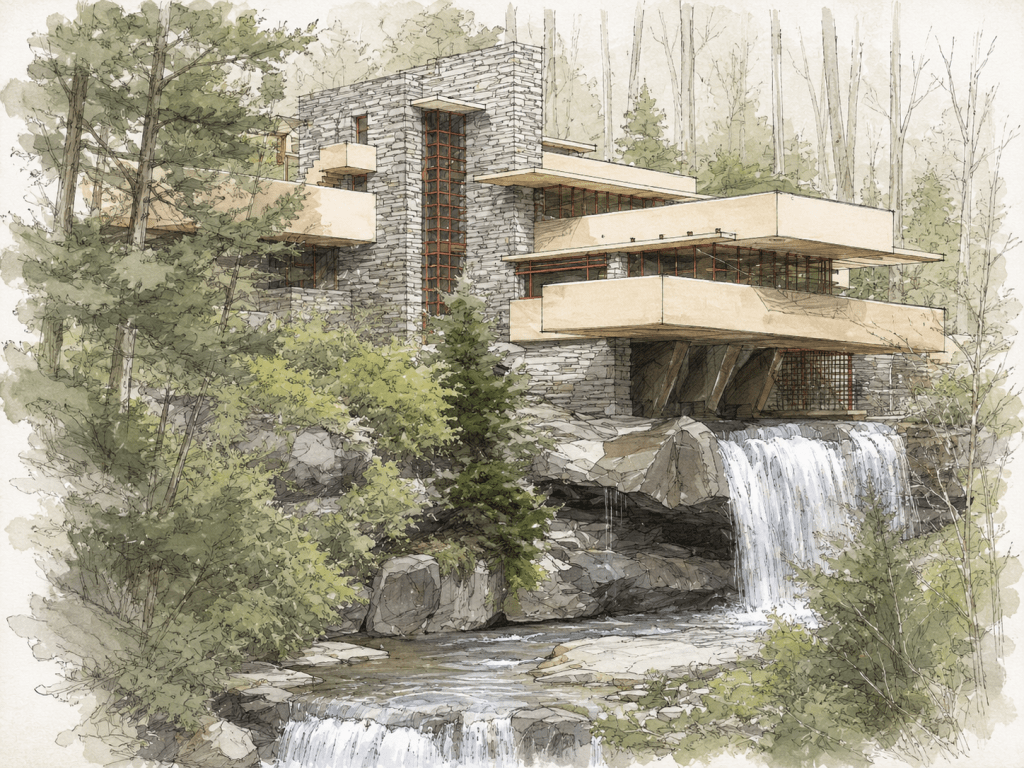
The beauty of Eastern roof design is closely connected to the environment. These roofs were not created only to be admired from a distance; they were shaped by rain, sunlight, snow, wind, and the daily life happening underneath them. Deep eaves protect walls and openings from rain while creating shade during strong sunlight. Curved edges help soften the roof’s weight and guide water away from the building. The roof becomes both a visual form and a climate tool.
In Japanese architecture, wide eaves often create a calm space between the interior and the outside world. This shaded edge allows the building to breathe with its surroundings. It softens the boundary between room, porch, garden, and landscape. Rather than separating people from nature, the roof creates a gentle transition into it. This idea is especially meaningful for contemporary residential design, where comfort, daylight, shade, and connection to nature are becoming essential parts of sustainable living. Through this lens, the Eastern roof is not just historical; it is still alive as a design strategy.
Eastern Influence in American Architecture
Eastern roof traditions have had a quiet but important influence on architecture in the United States. This influence is especially visible in the work of Frank Lloyd Wright and in the California Arts and Crafts movement. Wright’s relationship with Japanese art and culture shaped the way he thought about simplicity, nature, proportion, and the emotional feeling of space. His work did not copy Japanese buildings directly, but it translated many of their ideas into an American architectural language: low horizontal lines, deep overhangs, open interiors, natural materials, and a close connection between building and landscape (Stipe, 2017).
The Gamble House by Greene and Greene also shows this cultural translation clearly. Its long roof overhangs, layered gables, exposed wood details, and handcrafted structure reflect both Japanese influence and American Craftsman values. The roof gives the house a calm, grounded presence while also making it feel connected to the Southern California landscape. It shades the building, protects the walls, and creates a strong horizontal composition. Rather than treating the roof as decoration, the design uses it as the main architectural voice of the house.
This influence matters because it shows how architecture can move across cultures without losing its deeper meaning. Eastern roof forms entered American architecture not simply as an exotic style, but as a way of thinking about space, shelter, craft, and nature. They helped shape a softer and more organic image of the American home.
Contemporary Translation
For contemporary architecture, Eastern roof traditions offer a powerful source of inspiration. The goal is not to copy the past, but to understand what made these roofs meaningful in the first place. Their value comes from the balance between beauty and function, tradition and environment, structure and emotion. A contemporary house inspired by Eastern roof culture might use extended eaves for shade, layered rooflines to create depth, exposed beams to express craft, and skylights to bring controlled daylight into the interior.
From an artistic perspective, the roof can become the main gesture of the design. It can stretch outward to welcome the landscape, fold upward to bring light into the room, or hover above the walls like a quiet protective surface. It can make a house feel calm, grounded, and memorable. In this way, the Eastern roof becomes more than a reference image. It becomes a design philosophy.
Gallery
How Chinese philosophy of rood design agrees with the contemporary green concept
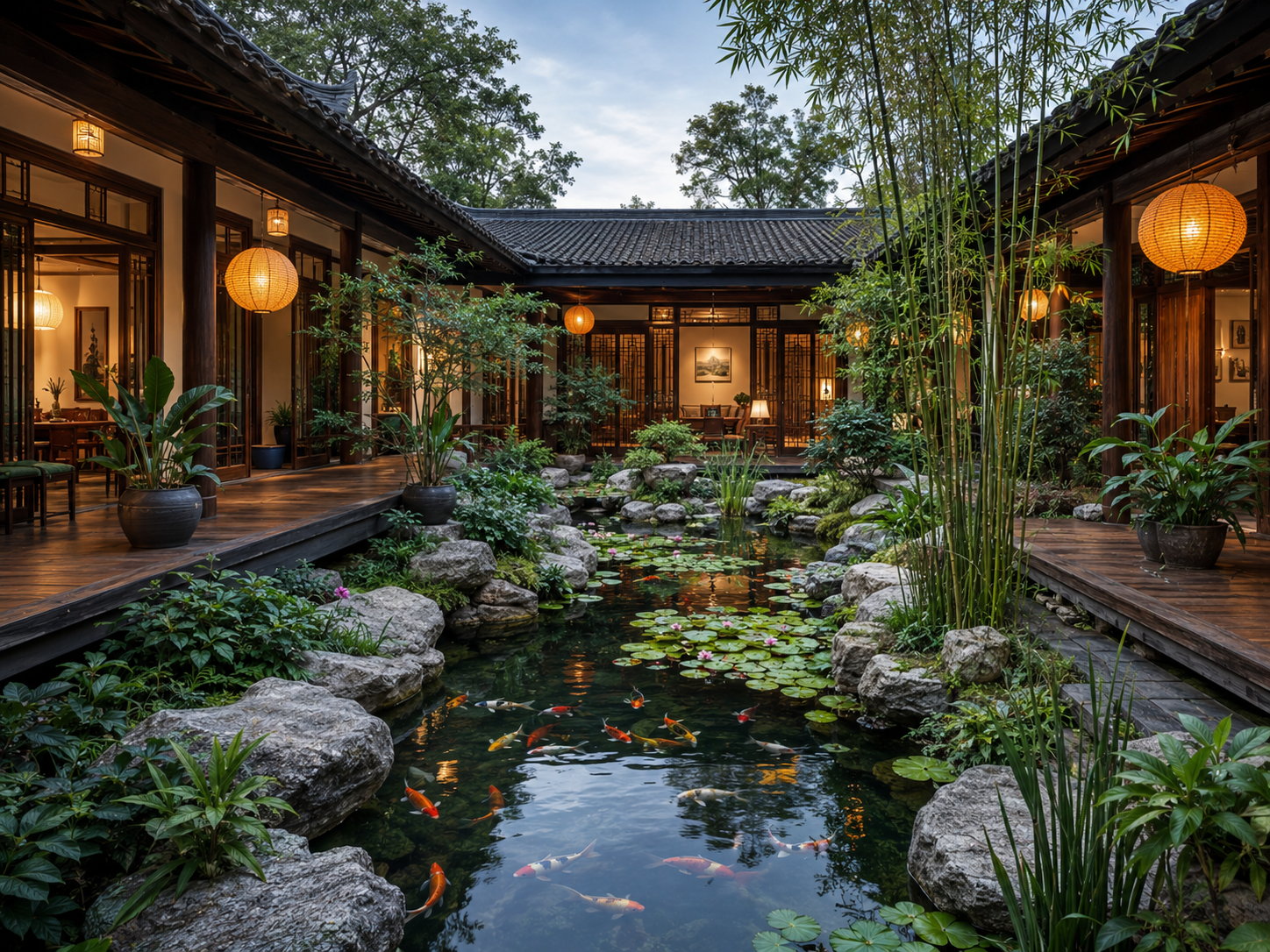
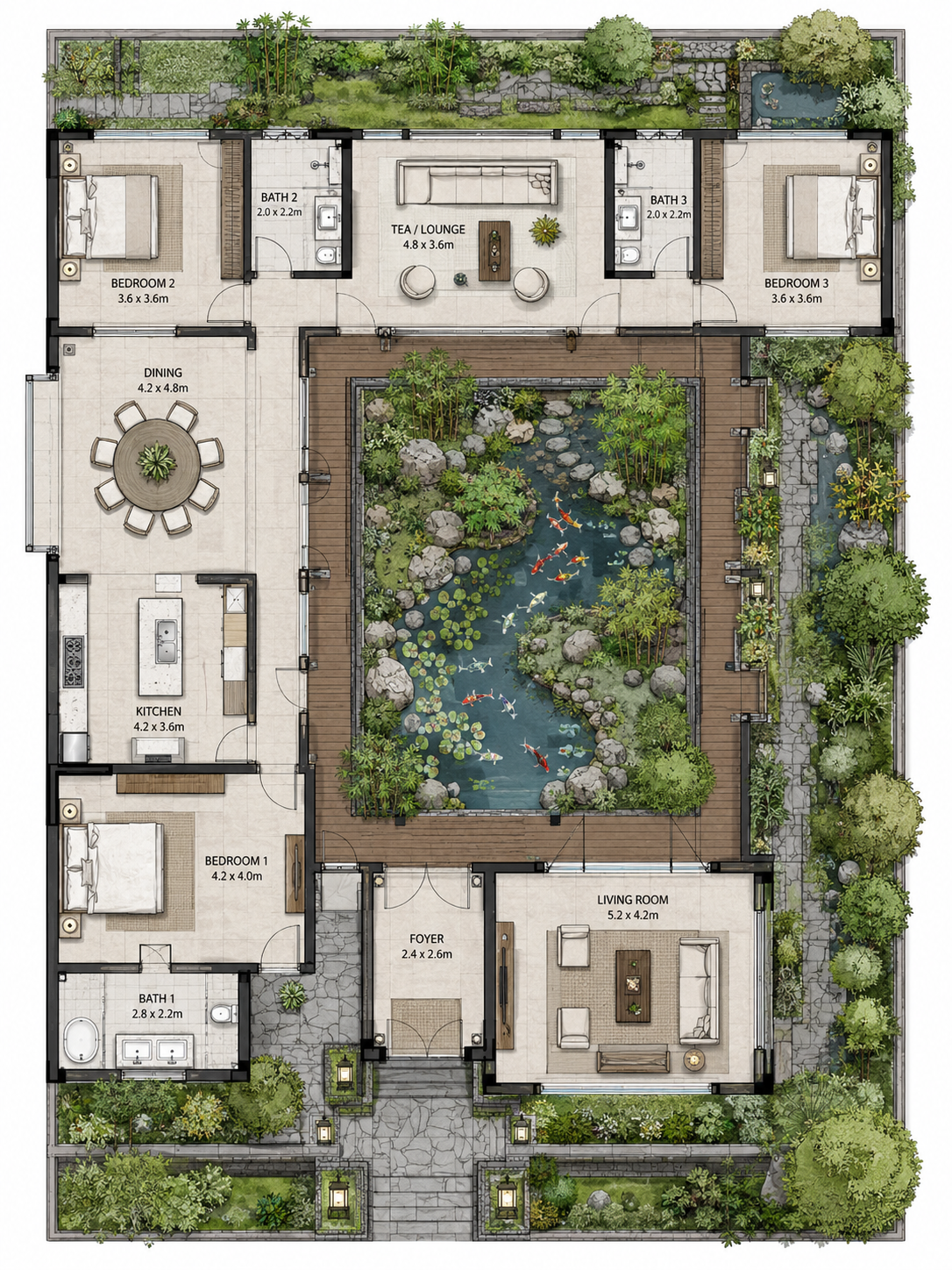
This research connects directly to my architectural interest in originality, simplicity, and cultural memory. By studying Eastern roof traditions and their influence on American architecture, I am exploring how a roof can define the identity of a building. It can protect, shade, frame, symbolize, and inspire. Most importantly, it can turn a simple residential form into an emotional architectural experience.
References
Chen, X., Wang, C., Sun, J., & Xia, W. (2025). Research on the causes of the concave shapes of traditional Chinese building roofs from the construction perspective. Buildings, 15(14), 2582.
National Museum of Asian Art. (2022). Once upon a roof: Vanished Korean architecture. Smithsonian Institution.
Stipe, M. (2017). Frank Lloyd Wright and Japan. Frank Lloyd Wright Foundation.
The Gamble House. (n.d.). Tracing the Japanese influence of the historic Gamble House in Pasadena.
 4DSKETCHER